
EasyShop startet in Europa: Was der neue Marktplatz für Onlinehändler bedeutetEasyShop launches in Europe: What the new marketplace means for online retailers
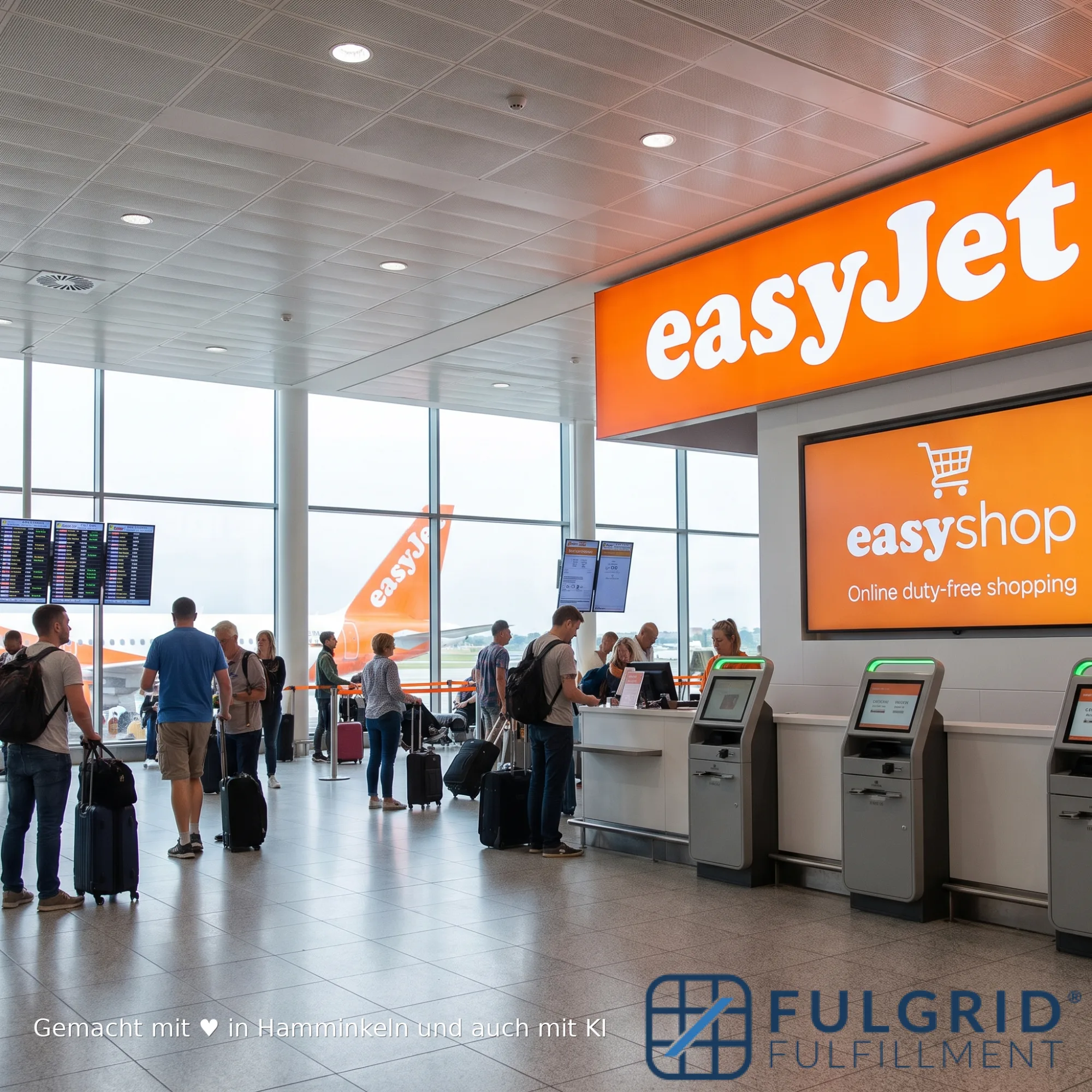
Was ist EasyShop und woher kommt der Marktplatz?
EasyShop ist ein Onlinemarktplatz, der aus dem arabischen Raum stammt und nun gezielt in europäische Märkte expandiert, darunter Deutschland. Der Marktplatz positioniert sich als Plattform, auf der Händler ihre Produkte einem breiten Publikum anbieten können, ähnlich wie auf etablierten Plattformen wie Amazon oder eBay. Die Grundidee ist dabei nicht neu, das Vorhaben aber dennoch bemerkenswert: Mit EasyShop betritt ein weiterer internationaler Anbieter einen Markt, der ohnehin schon von starkem Wettbewerb geprägt ist.
Was EasyShop von anderen unterscheidet, ist der Anspruch, den Einstieg für Händler einfach zu halten und gleichzeitig eine breite Produktpalette abzudecken. Der Marktplatz richtet sich laut Berichten von retail-news.de sowohl an lokale als auch an grenzüberschreitend agierende Händler. Damit folgt EasyShop einem Muster, das wir bereits von Temu oder Shein kennen: internationale Plattformen, die mit niedrigen Einstiegshürden und großer Reichweite in Europa Fuß fassen wollen.
Für Onlinehändler ist das zunächst vor allem eines: ein weiterer Kanal, den es zu beobachten gilt.
Wie EasyShop funktioniert und was Händler erwartet
EasyShop folgt einem Modell, das aus anderen internationalen Marktplätzen bekannt ist: Händler registrieren sich als Seller auf der Plattform, legen ihre Produkte an und wickeln Bestellungen über die vorgegebene Infrastruktur ab. Der Einstieg soll nach eigenen Angaben niedrigschwellig gestaltet sein, also ohne lange Freischaltprozesse oder hohe Vorabgebühren.
Was die Logistik betrifft, orientiert sich EasyShop offenbar an gängigen Fulfillment-Strukturen vergleichbarer Plattformen: Händler können entweder selbst versenden oder plattformeigene Lager- und Versandlösungen nutzen. Welche Optionen konkret verfügbar sind und zu welchen Konditionen, hängt vom jeweiligen Markt und Produktsegment ab.
Für den Verkaufsprozess gilt das Prinzip, das von Amazon oder Zalando bekannt ist: Die Plattform steuert die Sichtbarkeit, der Händler liefert Produktdaten, Verfügbarkeit und Versandgeschwindigkeit. Wer dort verkaufen will, muss sich an Vorgaben zu Lieferzeiten und Retourenhandling halten, die der Marktplatz vorgibt, nicht der Händler.
Das bedeutet: Wer auf EasyShop aktiv werden möchte, braucht eine Logistik, die flexibel genug ist, um externe Anforderungen schnell umzusetzen.
Einordnung: Was der neue Wettbewerber für die Marktplatzlandschaft bedeutet
EasyShop tritt in einen Markt ein, der bereits von etablierten Plattformen wie Amazon, Otto und Zalando geprägt ist. Hinzu kommen Anbieter wie Temu und Shein, die in den vergangenen Jahren mit aggressiven Preisstrategien und direkten Lieferketten aus Asien Marktanteile gewonnen haben. EasyShop bewegt sich in einem ähnlichen Umfeld, auch wenn das genaue Geschäftsmodell und die Herkunft der Anbieter auf der Plattform noch nicht vollständig transparent sind.
Was Händler beobachten sollten: Ein neuer Marktplatz bedeutet zunächst mehr Sichtbarkeitswettbewerb, aber auch eine zusätzliche Möglichkeit zur Reichweite. Entscheidend ist, wie schnell EasyShop eine kaufbereite Zielgruppe aufbaut und welche Kategorien bevorzugt bespielt werden. Dort wo Plattformen stark auf Preis setzen, geraten margenstarke Eigenmarken unter Druck.
Belastbare Marktanteile oder Nutzerzahlen liegen für EasyShop in Europa noch nicht vor. Die Einordnung bleibt deshalb auf das beschränkt, was beobachtbar ist: ein weiterer Akteur, der Aufmerksamkeit und Logistikkapazitäten bei Händlern fordert, ohne dass heute klar ist, wie groß das tatsächliche Gewicht dieser Plattform werden wird.
Was Onlinehändler jetzt prüfen sollten
Bevor du einen neuen Marktplatz anbindest, lohnt ein nüchterner Blick auf deine eigene operative Basis. Denn der Kanal allein bringt nichts, wenn die dahinterliegende Logistik nicht mitspielt.
Vier Felder, die du konkret prüfen solltest
- Lagerkapazität: Reicht dein aktueller Bestand aus, um einen zusätzlichen Absatzkanal zu bedienen, ohne andere Kanäle zu gefährden?
- Versandgeschwindigkeit: Neue Marktplätze definieren eigene Lieferzeitfenster. Ob dein Fulfillment diese erfüllt, hängt von Picking-Prozessen, Paketübergabezeiten und Carrier-Vereinbarungen ab.
- Retourenmanagement: Jeder Marktplatz bringt eigene Retourenquoten und Prozessanforderungen mit. Prüfe, ob dein aktuelles Setup das abbilden kann, ohne deinen Aufwand unverhältnismäßig zu steigern.
- Systemanbindung: Lässt sich EasyShop technisch in dein Warenwirtschafts- oder Fulfillment-System integrieren? Ohne saubere Datensynchronisation entstehen schnell Überverkäufe oder Verzögerungen.
Wer diese vier Felder im Griff hat, kann einen neuen Marktplatz deutlich ruhiger angehen. Flexible Logistikstrukturen sind dabei kein Vorteil, sondern eine Voraussetzung, wenn du mehrere Kanäle gleichzeitig zuverlässig bespielen willst.
What is EasyShop and where does the marketplace come from?
EasyShop is an online marketplace that originates from the Arab world and is now deliberately expanding into European markets, including Germany. The marketplace positions itself as a platform where sellers can offer their products to a broad audience, similar to established platforms such as Amazon or eBay. The basic idea is not new, but the venture is still remarkable: with EasyShop, yet another international provider is entering a market that is already shaped by strong competition.
What sets EasyShop apart from others is its aim to keep onboarding simple for sellers while at the same time covering a wide range of products. According to reports from retail-news.de, the marketplace targets both local sellers and those operating across borders. In this way, EasyShop follows a pattern we already know from Temu or Shein: international platforms that want to gain a foothold in Europe with low entry barriers and a large reach.
For online retailers, this is first and foremost one thing: another channel that needs to be watched.
How EasyShop works and what sellers can expect
EasyShop follows a model familiar from other international marketplaces: sellers register on the platform, create their products and process orders via the infrastructure provided. According to the company, onboarding is designed to be low threshold, meaning no lengthy approval processes or high upfront fees.
As for logistics, EasyShop apparently takes its cue from the common fulfillment structures of comparable platforms: sellers can either ship themselves or use the platform's own warehousing and shipping solutions. Which options are actually available and on what terms depends on the respective market and product segment.
The sales process follows the principle known from Amazon or Zalando: the platform controls visibility, while the seller provides product data, availability and shipping speed. Anyone who wants to sell there has to comply with requirements for delivery times and returns handling that are set by the marketplace, not the seller.
This means: if you want to become active on EasyShop, you need logistics that are flexible enough to implement external requirements quickly.
Context: what the new competitor means for the marketplace landscape
EasyShop is entering a market that is already shaped by established platforms such as Amazon, Otto and Zalando. Added to these are providers such as Temu and Shein, which have gained market share in recent years with aggressive pricing strategies and direct supply chains from Asia. EasyShop operates in a similar environment, even though the exact business model and the origin of the sellers on the platform are not yet fully transparent.
What sellers should keep an eye on: a new marketplace initially means more competition for visibility, but also an additional opportunity for reach. The decisive factor is how quickly EasyShop builds up an audience ready to buy and which categories it focuses on. Where platforms rely heavily on price, high margin private labels come under pressure.
Reliable market share or user figures for EasyShop in Europe are not yet available. The assessment therefore remains limited to what can be observed: another player that demands attention and logistics capacity from sellers, without it being clear today how much actual weight this platform will carry.
What online retailers should check now
Before you connect a new marketplace, it is worth taking a sober look at your own operational basis. Because the channel alone brings nothing if the logistics behind it cannot keep up.
Four areas you should specifically check
- Warehouse capacity: Is your current stock sufficient to serve an additional sales channel without jeopardising other channels?
- Shipping speed: New marketplaces define their own delivery time windows. Whether your fulfillment meets them depends on picking processes, parcel handover times and carrier agreements.
- Returns management: Every marketplace comes with its own return rates and process requirements. Check whether your current setup can handle this without increasing your workload disproportionately.
- System integration: Can EasyShop be technically integrated into your inventory management or fulfillment system? Without clean data synchronisation, overselling or delays quickly occur.
If you have these four areas under control, you can approach a new marketplace with much more peace of mind. Flexible logistics structures are not an advantage here but a prerequisite if you want to serve several channels reliably at the same time.
Einfach konfigurierenEasy configure
Konfigurieren Sie Ihr Fulfillment-AngebotConfigure Your Fulfillment Offering
Jetzt Angebot anfordernRequest a Quote Now